
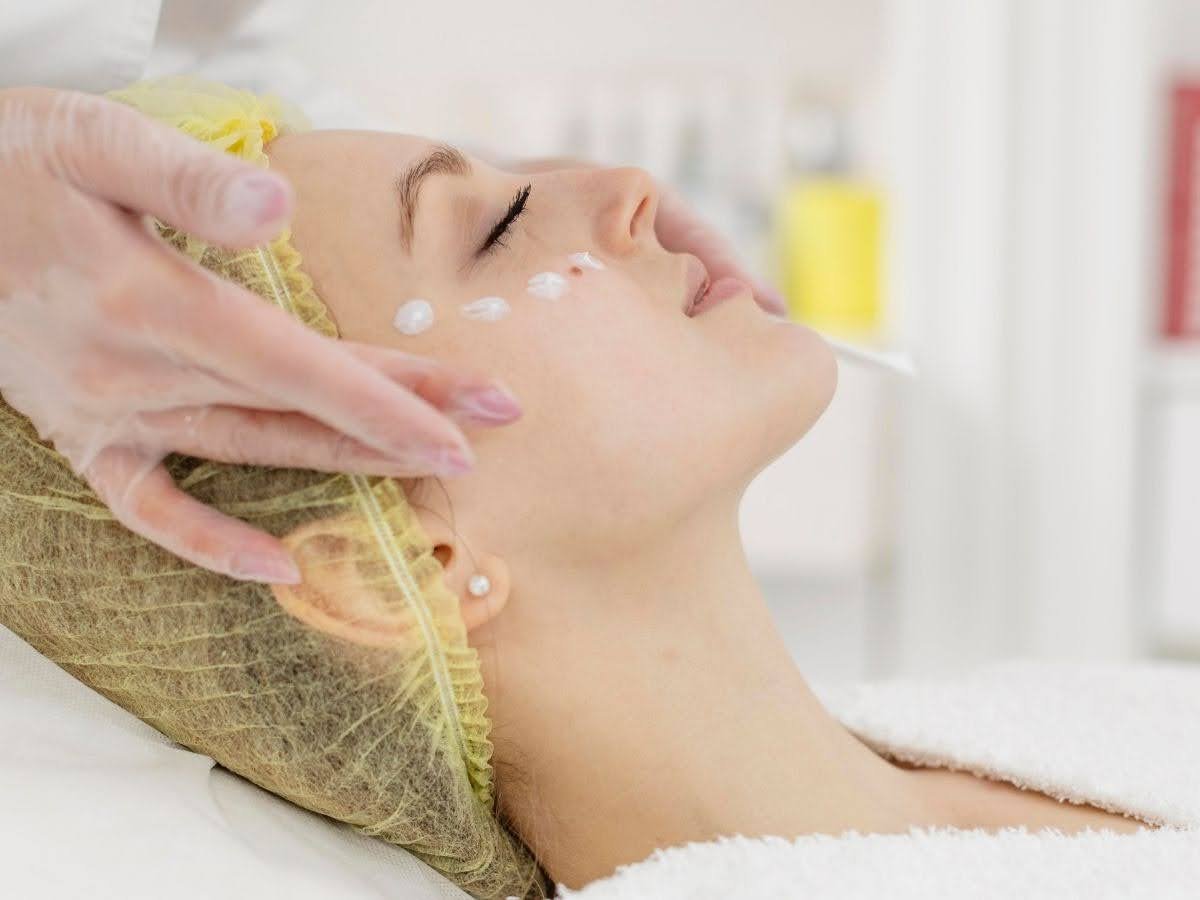
Skin care for dark spots is a common concern for individuals dealing with uneven tone, acne marks, and sun-related pigmentation. These marks often make the skin look less smooth and reduce overall clarity, even when the skin is otherwise healthy. Understanding how pigmentation develops is the first step toward improving skin appearance.
Dark spots usually form due to excess melanin activity triggered by inflammation, sun exposure, or internal changes in the skin. These changes can remain visible for a long time if not addressed properly, especially when the trigger continues over time. Because of this, both daily care and advanced treatments are often needed for visible improvement.
Laser-based skin treatments at MedUltima Aesthetics are commonly used to help target pigmentation beneath the skin’s surface. These approaches support skin renewal by addressing discoloration, uneven tone, and texture concerns through controlled energy-based methods.
How Dark Spots Develop in the Skin
Dark spots form when melanin production becomes uneven in response to triggers such as inflammation, sun exposure, or skin injury. This is part of the skin’s natural defense system, but it can leave visible marks when overactivated.
Inflammation is one of the most common causes. Acne breakouts or irritation can lead to post-inflammatory pigmentation that remains even after the skin heals.
Sun exposure is another major factor. Ultraviolet rays stimulate melanin production, which may lead to sun-related pigmentation over time. Repeated exposure can deepen these marks and make them more persistent.
Hormonal changes can also influence pigment activity, leading to uneven patches on the skin. In many cases, multiple triggers combine, making pigmentation more noticeable and harder to fade with skincare alone.
Types of Pigmentation Concerns
Post-inflammatory marks often appear after acne or irritation. These are usually flat discolorations that range from light to dark tones depending on skin response.
Sun-related pigmentation develops gradually and is often linked to long-term exposure. These spots commonly appear in areas frequently exposed to light.
Uneven tone caused by internal changes may appear in patchy patterns and can fluctuate depending on skin condition over time.
Understanding the type of pigmentation helps determine whether skincare routines or laser-based treatments may be more effective.
Skin Care for Dark Spots and Laser-Based Solutions
Skin care for dark spots often involves a combination of daily maintenance and advanced treatments that target deeper pigmentation layers.
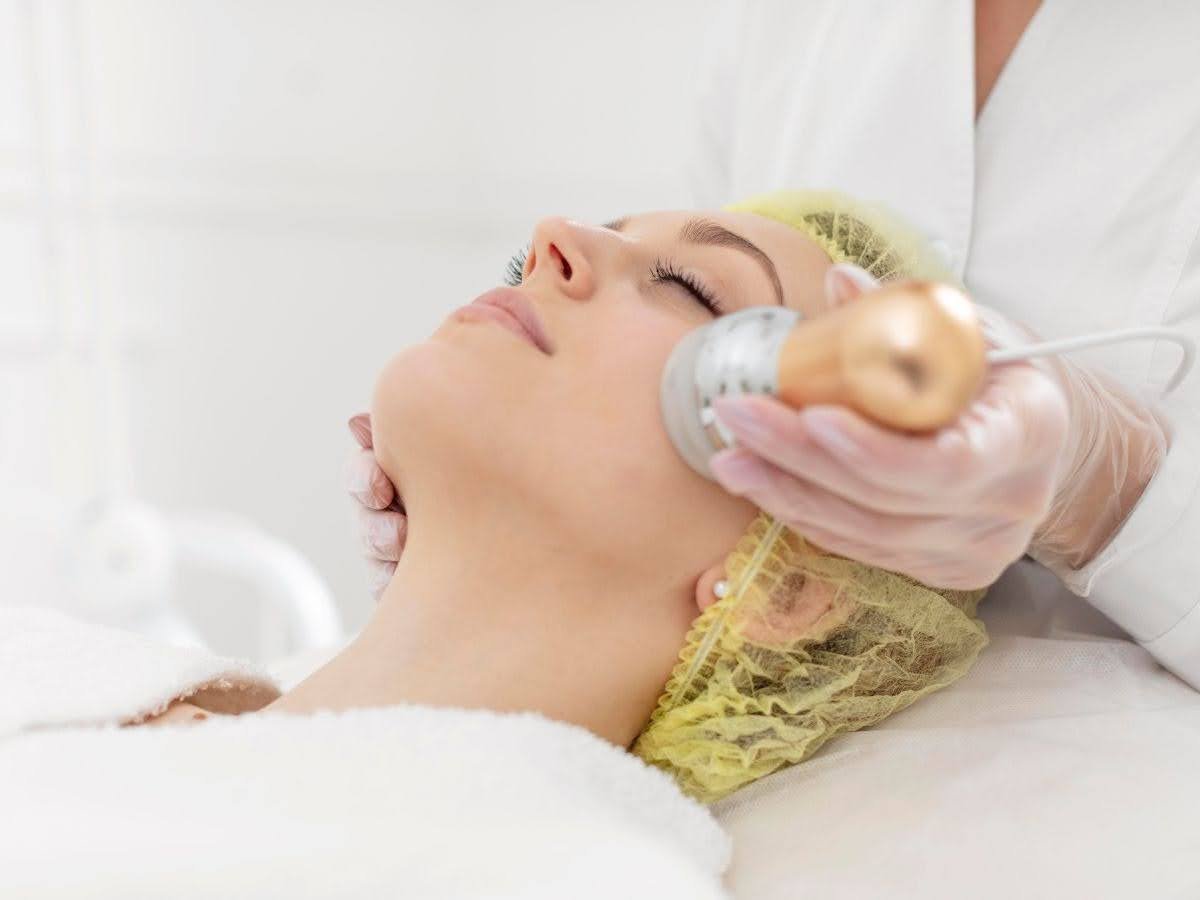
Laser technology is commonly used to improve skin tone and texture by delivering controlled energy into specific layers of the skin. This process helps target pigment, vascular components, and uneven areas that contribute to discoloration.
ADVA laser technology works by combining multiple wavelengths of light energy to address pigmentation and uneven tone. It helps improve the appearance of sun damage, redness, and discoloration while also supporting smoother skin texture through collagen stimulation.
This type of treatment is designed to support skin renewal by encouraging the body’s natural healing response. Over time, the skin may appear more even and refined as pigmentation gradually reduces.
Pigment-focused laser systems can also help break down dark spots by targeting melanin clusters beneath the surface. This allows the skin to gradually clear uneven tone while improving clarity.
Supporting Daily Skin Care for Dark Spots
Daily care plays an important role in maintaining results from advanced treatments.
Gentle cleansing helps protect the skin barrier and prevents additional irritation. Overly harsh products may increase inflammation, which can worsen pigmentation.
Hydration supports skin repair by maintaining moisture balance and helping the skin recover more efficiently. Well-hydrated skin tends to show improved texture over time.
Sun protection is essential because ultraviolet exposure can reactivate pigmentation and cause new spots to form. Consistent protection helps maintain clearer skin appearance.
Targeted skincare ingredients may support gradual fading of pigmentation when used consistently. These ingredients work best when paired with professional treatments.
Laser Treatment Approach for Pigmentation Concerns
Laser-based treatments are often used for individuals seeking more visible improvement in pigmentation and uneven tone.
These treatments work by delivering controlled light energy into the skin, targeting specific structures such as pigment, blood vessels, and water content. The energy interaction helps trigger a natural repair response in the skin.
ADVA laser technology also supports improvement in skin texture by stimulating collagen formation in deeper layers of the skin. This may help refine pores and smooth uneven areas over time.
Pigmentation-focused laser systems may be used for concerns such as sun damage, acne marks, and general discoloration. These treatments are often adjusted based on skin condition and sensitivity level.
The approach is typically personalized, meaning treatment settings and methods are selected based on individual skin evaluation and goals.
Why Pigmentation Needs Combined Care
Dark spots rarely develop from a single cause. Because of this, treatment is often more effective when multiple approaches are used together.
Laser-based procedures address deeper pigmentation, while skincare supports surface-level maintenance. Together, they help improve both appearance and skin function.
Without proper daily care, pigmentation may return or become more visible over time. This is why consistency is an important part of long-term skin improvement.
Common Mistakes in Treating Dark Spots
One common mistake is relying only on skincare products without addressing deeper pigmentation. Some spots require more advanced treatment approaches for visible improvement.
Another mistake is inconsistent use of skincare routines. Irregular care may slow progress and reduce treatment effectiveness.
Overuse of harsh products can also damage the skin barrier and increase inflammation, which may worsen pigmentation instead of improving it.
Ignoring sun protection is another factor that often leads to recurring dark spots, even after treatment.
Professional Approach to Pigmentation Care
Effective pigmentation care begins with understanding the skin’s condition and identifying underlying triggers. Once the cause is identified, a structured treatment plan can be developed.
Laser-based treatments may be recommended for deeper pigmentation, while skincare routines support maintenance and prevention.
The goal is not only to reduce visible spots but also to improve overall skin smoothness, clarity, and tone balance over time.
Frequently Asked Questions
1. What is the best skin care for dark spots?
The best approach includes gentle skincare, sun protection, and laser-based treatments that help target deeper pigmentation layers.
2. Can laser treatments help dark spots?
Yes, laser treatments can target pigment beneath the skin and support gradual improvement in uneven tone and discoloration.
3. How long do dark spots take to improve?
Improvement depends on skin type and pigmentation depth. Some spots fade gradually while others require ongoing care and treatment sessions.
4. Can skincare alone remove dark spots?
Skincare can help improve mild pigmentation, but deeper dark spots often respond better to combined care including laser-based methods.
5. Why do dark spots come back?
Dark spots may return due to sun exposure, inflammation, or lack of consistent skincare and protection habits.
Conclusion
Skin care for dark spots requires a balanced approach that combines daily care with targeted treatments that address pigmentation at different skin levels. Since dark spots develop from multiple causes, consistent care is necessary to improve overall skin tone and texture.
Laser-based treatments offer a targeted approach that helps reduce pigmentation while supporting smoother-looking skin over time. When combined with proper skincare habits, results may become more stable and long-lasting.
MedUltima Aesthetics uses laser-based skin treatment approaches designed to help improve uneven pigmentation and support healthier-looking skin through structured care plans.