
Skin pigmentation is a common concern that affects people of all skin types and ages. Whether you notice dark patches after acne, discoloration from sun exposure, or uneven skin tone that develops over time, understanding what causes these changes is the first step toward choosing the right approach for healthier-looking skin.
Changes in skin color can occur for many reasons. Some forms of pigmentation fade naturally, while others remain visible without professional care. Learning how pigmentation develops, recognizing different types, and understanding available treatment options can help you make informed decisions about caring for your skin.
At MedUltima Aesthetics, every treatment plan begins with understanding your individual skin concerns. A personalized approach allows you to receive care that supports your skin type, lifestyle, and long-term skincare goals.
What Is Skin Pigmentation?
Skin pigmentation refers to the natural color of your skin. This color is determined by melanin, a pigment produced by specialized cells within the skin. The amount of melanin your body produces influences the shade of your complexion.
When melanin production becomes uneven, areas of the skin may become darker or lighter than the surrounding tissue. These changes are commonly known as pigmentation disorders. While many are harmless, others may require professional evaluation to determine the underlying cause.
Pigmentation concerns vary widely. Some appear gradually after repeated sun exposure, while others develop following inflammation, hormonal changes, or skin injuries. Understanding why discoloration occurs is essential because treatment varies depending on the specific type of pigmentation.
What Causes Uneven Pigment?
Several factors can influence melanin production. Identifying the underlying cause allows treatment to focus on correcting the condition rather than simply masking its appearance.
Sun Exposure
Sun exposure remains one of the leading causes of uneven skin tone. Ultraviolet light stimulates melanin production as part of the body’s natural protective response. Over time, repeated exposure can leave lasting discoloration.
Common results include:
- Sun spots
- Age spots
- Uneven skin tone
- Larger patches of discoloration
Even short periods outdoors without proper sun protection can gradually contribute to visible changes.
Hormonal Changes
Hormonal fluctuations often contribute to melasma, a condition that produces brown or gray patches on the face. Hormones may influence pigment production during pregnancy, while taking certain medications, or because of natural hormonal changes.
Melasma can be challenging because pigment may return if the underlying trigger continues. Long-term management often combines professional treatment with consistent skincare.
Acne and Inflammation
After inflammation heals, excess pigment may remain behind. This condition is known as post-inflammatory hyperpigmentation.
Common triggers include:
- Acne breakouts
- Burns
- Minor cuts
- Skin irritation
- Insect bites
- Cosmetic procedures
These marks often become more noticeable after inflammation has resolved, especially in individuals with naturally darker complexions.
Natural Aging
As skin matures, years of accumulated sun exposure become more visible. Pigment-producing cells may no longer distribute melanin evenly, leading to scattered dark spots and uneven skin tone.
Genetics
Some people naturally develop freckles or other pigmentation changes because of inherited traits. Family history can influence how your skin responds to sunlight and inflammation.
Certain Medications
Some medications increase sensitivity to sunlight or influence pigment production. If discoloration appears after beginning a new medication, discussing the change with your healthcare provider may be appropriate.
Different Types of Pigmentation Disorders
Not every pigmentation concern develops for the same reason. Understanding the different types helps determine which treatment is most appropriate.
Hyperpigmentation
Hyperpigmentation occurs when excess melanin causes patches of skin to become darker than the surrounding area. It is one of the most frequently treated cosmetic skin concerns.
Melasma
Melasma usually appears as larger, symmetrical patches across the cheeks, forehead, upper lip, or chin. Hormonal influences and sun exposure commonly contribute to this condition.
Unlike isolated sun spots, melasma often requires ongoing maintenance to reduce recurrence.
Sun Spots
Sun spots develop after repeated exposure to ultraviolet light. These flat brown spots commonly appear in areas regularly exposed to sunlight.
Age Spots
Age spots resemble sun spots but become more noticeable as the skin matures. They are generally harmless but may affect overall skin appearance.
Post-Inflammatory Hyperpigmentation
This type develops after inflammation has healed. Acne is one of the most common causes, although any injury capable of irritating the skin may leave temporary discoloration behind.
How Pigmentation Is Evaluated
Successful treatment begins with an accurate assessment rather than assuming every dark spot has the same cause.
A comprehensive evaluation considers several factors, including your medical history, previous skincare treatments, current medications, daily habits, and how long the pigmentation has been present. Skin type also plays an important role because different complexions respond differently to various treatments.
Once the underlying cause has been identified, a personalized treatment plan can focus on improving skin tone while helping reduce the chance of future discoloration.
Can Pigmentation Fade Naturally?
Some forms of discoloration gradually become less noticeable with time, especially when they develop after minor inflammation. However, deeper pigment changes, long-standing discoloration, and conditions such as melasma often require professional care to achieve visible improvement.
Daily skincare habits also influence how quickly the skin recovers. Consistent sun protection, gentle cleansing, and products selected for your skin type can support the skin’s natural renewal process. Patience is important because pigment changes usually improve gradually rather than overnight.
Treatment Options for Uneven Skin Tone
Professional treatment is selected based on the type of discoloration, the depth of pigment, and your overall skin condition. A personalized plan often provides better results than relying on one treatment alone.
Common treatment options include:
Medical-Grade Skincare
Specially formulated skincare products may help reduce the appearance of discoloration while supporting healthy skin renewal. These products are often recommended as part of a long-term maintenance routine.
Chemical Peels
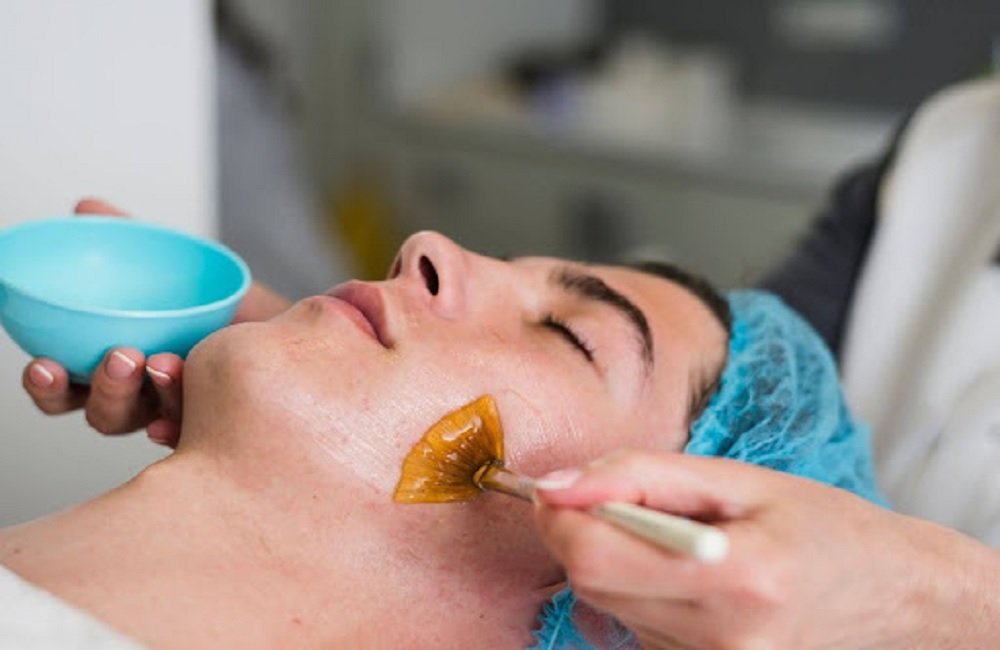
Chemical peels encourage controlled exfoliation by removing damaged outer layers of skin. This process may improve the appearance of mild discoloration, uneven texture, and post-inflammatory marks while encouraging smoother, brighter skin.
Laser Treatments
Laser procedures target excess pigment beneath the skin’s surface. Different laser technologies are selected depending on your skin type and the specific pigmentation concern. Multiple sessions may be recommended to achieve gradual, natural-looking improvement.
Combination Therapy
Some pigmentation concerns respond best to a combination of professional treatments and customized skincare. Addressing multiple contributing factors often produces more consistent, longer-lasting results.
Daily Habits That Support Healthy Skin
Your daily routine plays an important role in maintaining an even complexion after treatment.
Healthy habits include:
- Apply sunscreen every morning, even on cloudy days.
- Reapply sunscreen during prolonged outdoor activities.
- Avoid picking at acne or irritated skin.
- Use gentle skincare products that support your skin barrier.
- Keep your skin moisturized.
- Wear protective clothing when spending extended time outdoors.
These simple practices can help reduce unnecessary irritation and support healthier-looking skin over time.
When Should You Seek Professional Care?
Some pigmentation concerns improve gradually, while others continue to spread or become more noticeable. Scheduling a professional evaluation is recommended if you experience:
- Dark patches that continue to increase in size.
- Discoloration that remains unchanged after several months.
- Uneven spots with irregular borders.
- Pigmentation that affects your confidence.
- Recurring discoloration despite consistent skincare.
Early assessment helps identify the underlying cause and allows treatment to begin before pigmentation becomes more difficult to improve.
Frequently Asked Questions
Can pigmentation disappear without treatment?
Some mild discoloration may gradually fade, but deeper pigmentation often benefits from professional care.
What causes uneven skin tone?
Sun exposure, hormonal changes, inflammation, genetics, aging, and certain medications are among the most common contributing factors.
How long does improvement usually take?
Results vary depending on the cause, the treatment selected, and how consistently you follow your skincare routine. Many people notice gradual improvement over several weeks or months.
Can pigmentation return after treatment?
Yes. Continued sun exposure or recurring triggers may cause discoloration to reappear. Following a consistent skincare routine helps maintain your results.
Conclusion
Skin pigmentation can develop from several different causes, including sun exposure, hormonal changes, inflammation, aging, and genetics. Understanding why discoloration occurs makes it easier to choose treatment options that support healthier, more even-looking skin while helping reduce the chance of future pigment changes.
Consistent skincare, daily sun protection, and early attention to new areas of discoloration all contribute to maintaining long-term skin health. Every person’s skin is different, which is why an individualized approach often produces the most successful outcome.
If you are ready to improve the appearance of uneven skin tone, MedUltima Aesthetics can provide a personalized assessment and treatment plan designed around your individual skincare goals. Professional guidance helps you choose solutions that best fit your skin type while supporting healthier, more confident-looking skin.