
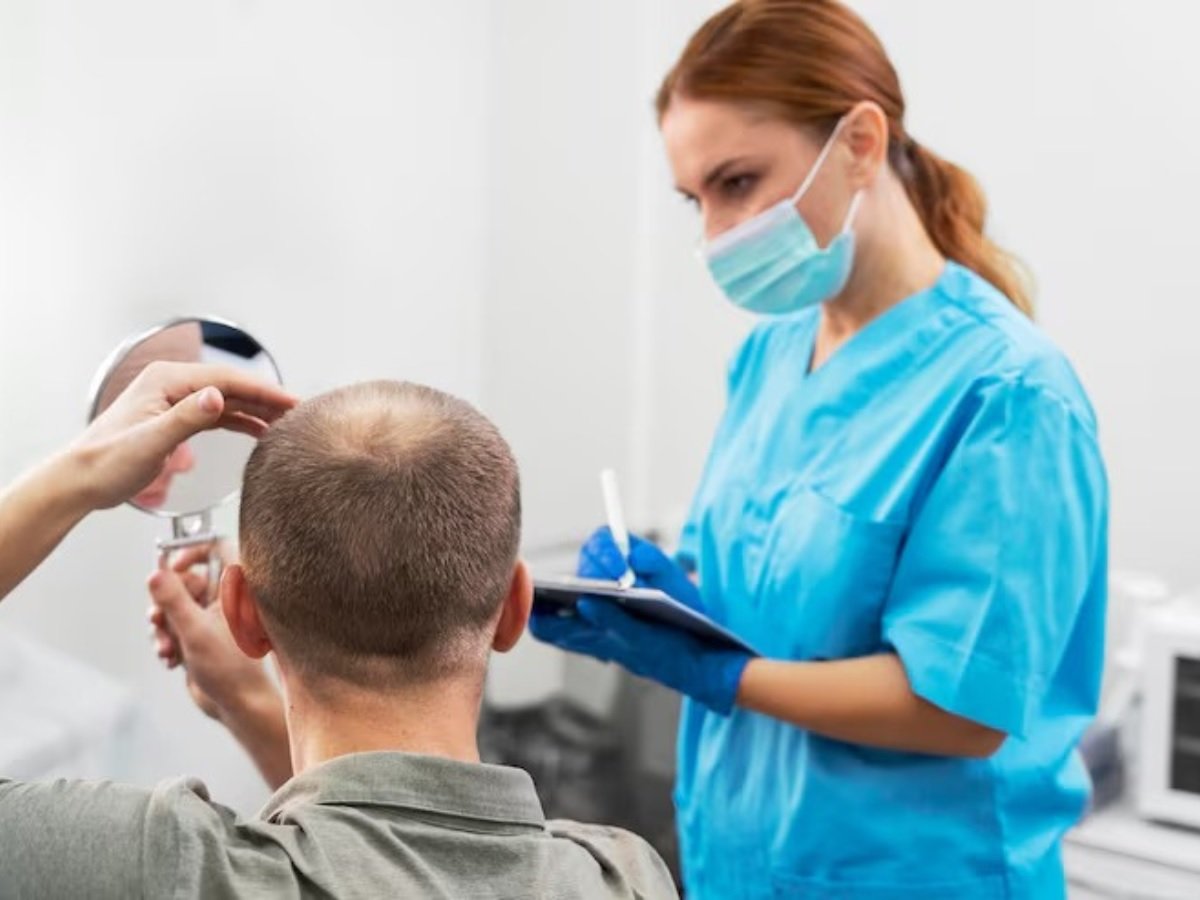
Hair thinning and hair loss can impact confidence and self-esteem at any age, affecting both personal and professional life. Whether you’re a man or a woman, knowing your options, understanding the recovery process, and setting realistic expectations for results can make the decision process much easier. This guide covers everything you need to know about hair restoration, including effective treatments, recovery timelines, and what to expect during your journey at MedUltima Aesthetics in Crystal River, FL.
Understanding Hair Restoration
Hair restoration encompasses medical and cosmetic techniques designed to address thinning hair or hair loss. Hair loss can result from genetics, hormonal changes, medical conditions, stress, or lifestyle factors. Men often experience male pattern baldness, with noticeable thinning at the crown and hairline, while women may see diffuse thinning, commonly linked to hormonal shifts, stress, or other health concerns.
At MedUltima Aesthetics, a comprehensive approach is offered through hair rejuvenation treatments that combine both non-surgical and advanced medical options. Each plan is personalized, taking into account hair loss type, scalp health, age, and individual goals, ensuring patients receive targeted care that promotes natural-looking results and long-term hair health.
Causes of Hair Loss
Understanding why hair loss occurs is important before choosing a restoration approach. Common causes include:
- Genetic factors: Androgenetic alopecia is the most common type of hair loss in both men and women.
- Hormonal changes: Pregnancy, menopause, thyroid issues, and hormonal imbalances can impact hair growth.
- Medical conditions and treatments: Chemotherapy, scalp infections, and autoimmune disorders can cause hair thinning.
- Lifestyle factors: Stress, poor nutrition, and certain medications may weaken hair follicles over time.
Recognizing the root cause helps practitioners at MedUltima Aesthetics design personalized treatment plans that address both symptoms and underlying factors.
Hair Restoration Options
Hair restoration can be divided into surgical and non-surgical options, depending on the extent of hair loss, patient goals, and scalp health.
Surgical Hair Restoration
Surgical methods are highly effective for long-lasting, natural results.
- Follicular Unit Extraction (FUE)
- Individual hair follicles are removed from a donor area (usually the back of the scalp) and transplanted to thinning regions.
- Minimal scarring, natural hairline design, and quick recovery make it ideal for small to moderate hair loss.
- Patients can usually resume daily activities within a few days.
- Follicular Unit Transplantation (FUT)
- A strip of scalp is removed, and follicles are dissected for transplantation.
- Suitable for patients with more extensive hair loss.
- Recovery takes slightly longer than FUE, and a thin linear scar may form in the donor area.
A 40-year-old male patient at MedUltima Aesthetics experienced thinning at the crown. After FUE treatment, follow-ups over nine months showed visible density improvement, restoring natural coverage and confidence.
Non-Surgical Hair Restoration
Non-surgical options are ideal for early hair loss, maintenance, or patients who prefer minimal intervention.
- Platelet-Rich Plasma (PRP) Therapy
- Uses platelets from the patient’s own blood to stimulate hair follicles.
- Typically requires 3–4 monthly sessions, with periodic maintenance.
- Clinical studies show up to 30% improvement in hair density within six months.
- Low-Level Laser Therapy (LLLT)
- Stimulates follicles and encourages growth without surgery.
- Can be applied in-office or through home-use devices.
- Particularly effective for early-stage thinning.
- Topical & Medical Treatments
- FDA-approved topical medications like minoxidil encourage regrowth.
- Prescription oral treatments may be available for men and women with genetic hair loss.
- Combined with lifestyle recommendations, these treatments enhance overall hair health.
A 32-year-old female patient used PRP therapy combined with laser treatment. Within eight months, she experienced noticeable thickening along the frontal hairline and temples, with healthier scalp appearance.
Recovery After Hair Restoration
Recovery varies depending on treatment type. Understanding what to expect helps patients prepare and achieve the best outcomes.
Surgical Recovery:
- FUE: Minor swelling or redness at donor and transplant areas; most patients return to normal activities within 3–7 days.
- FUT: Slightly longer healing period; linear scar in the donor region, typically hidden by surrounding hair.
Non-Surgical Recovery:
- PRP: Minimal downtime; mild redness or tenderness may appear at injection sites.
- LLLT: No downtime; treatments can continue alongside daily routines.
Tips for Supporting Recovery:
- Follow post-procedure instructions provided by practitioners.
- Avoid heavy exercise, excessive sun exposure, and harsh hair products immediately after treatment.
- Maintain a balanced diet to support follicle health.
- Gentle scalp care and consistent follow-up visits improve long-term outcomes.
Expected Results and Timelines
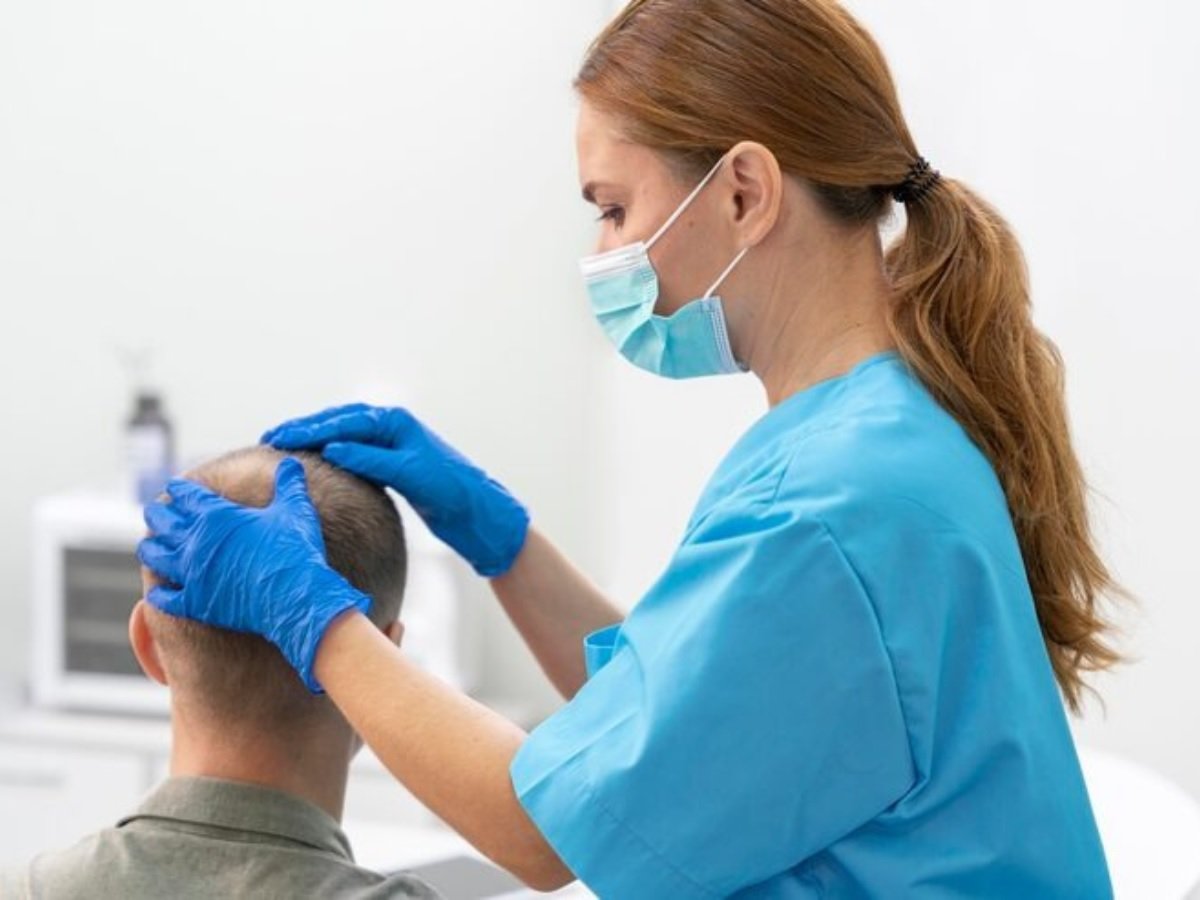
Hair restoration results appear gradually, and each patient’s journey can vary depending on the chosen treatment. Initial hair growth may begin to show within 3–4 months, with most patients noticing visible improvements in density and coverage around 6–8 months. Full results are typically achieved within 12–18 months, allowing time for new hair to mature and blend naturally with existing hair. Surgical procedures often provide long-lasting results, as transplanted follicles are resistant to androgenic hair loss.
Non-surgical options, such as PRP therapy and laser treatments, can also produce significant improvement, especially when combined with other methods. These treatments help maintain scalp health and encourage ongoing follicle stimulation, supporting a natural-looking, fuller head of hair. Many patients in Crystal River have successfully combined PRP, laser therapy, and surgical restoration, benefiting from both immediate enhancement and long-term maintenance of hair density.
Maintaining Hair Health
Long-term hair restoration results rely on consistent scalp care and healthy lifestyle habits. Avoid harsh chemical treatments, reduce excessive heat styling, and minimize friction on thinning areas to protect fragile hair follicles. Supporting your hair from the inside out with a balanced diet rich in protein, vitamins, and minerals helps strengthen existing strands and promotes new growth.
In addition, managing stress and maintaining regular sleep patterns can have a significant impact on overall hair health. At MedUltima Aesthetics, ongoing care through personalized hair rejuvenation treatments and follow-up guidance ensures that results are sustainable and natural-looking, helping clients maintain healthier, fuller hair over time.
Why Choose MedUltima Aesthetics
MedUltima Aesthetics is home to expert practitioners who are board-certified specialists in hair restoration and aesthetic medicine. Every patient receives a personalized treatment plan designed to address specific hair loss patterns, lifestyle, and goals. Whether you’re seeking non-surgical options like PRP or LLLT or surgical solutions such as FUE and FUT, each plan is tailored to provide natural-looking results while promoting long-term scalp health.
The clinic also offers advanced technology and comprehensive care under one roof, making the process seamless and convenient. Located at 756 N Suncoast Blvd in Crystal River, FL, MedUltima Aesthetics serves local and surrounding communities, ensuring patients receive expert guidance, continuous support, and easy access to follow-up care throughout their hair restoration or rejuvenation journey.
Frequently Asked Questions (FAQs)
- How long does a hair transplant take?
Most procedures are completed in 4–8 hours. FUE is usually done in a single session, while FUT may require slightly longer. - Are hair restoration results permanent?
Surgical results are long-lasting, as transplanted follicles are resistant to genetic hair loss. Non-surgical methods need ongoing maintenance. - Can women undergo hair restoration?
Yes, women can benefit from PRP, laser therapy, and carefully planned hair transplants for thinning areas. - What is the recovery time after hair restoration?
FUE: 3–7 days for initial healing. FUT: 7–14 days. PRP and LLLT typically involve minimal downtime. - How soon will new hair appear?
Initial growth often appears within 3–4 months, with visible density improvements around 6–8 months, and full results by 12–18 months. - What factors affect hair restoration success?
Age, scalp health, hair loss type, lifestyle habits, and adherence to post-procedure instructions all influence results.
Conclusion
Hair loss doesn’t have to define confidence or appearance. With the right approach, you can regain not only hair but also a sense of self-assurance. MedUltima Aesthetics in Crystal River, FL, offers personalized hair restoration solutions tailored for both men and women, addressing individual hair loss patterns and goals. From advanced non-surgical options to surgical procedures, each treatment plan is designed to restore natural-looking hair while supporting long-term scalp health. Schedule a consultation today to discuss your options, understand the process, and take the first step toward healthier, fuller hair that makes you feel your best.