
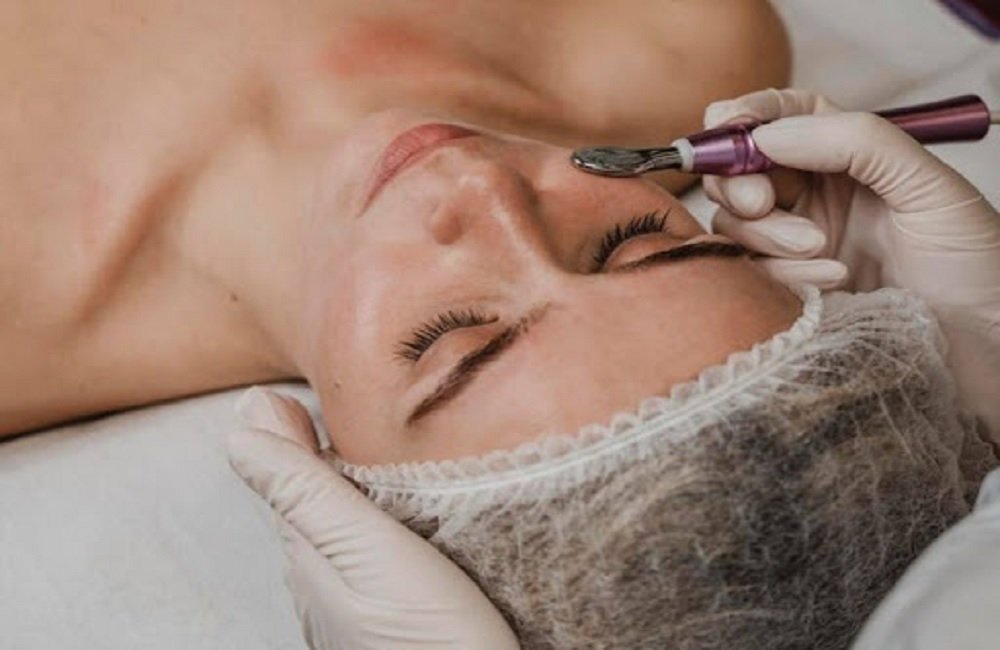
Microneedling is a skin treatment that creates controlled micro-injuries to support natural repair responses. It is widely used for acne scars, fine lines, and uneven texture. This guide explains what happens to the skin before and after treatment and what changes are typically seen over time.
At MedUltima Aesthetics, treatments are designed to support gradual improvements in skin texture and overall skin appearance. Over time, the skin responds to the controlled healing process, leading to visible changes that develop progressively after treatment.
What This Treatment Does to the Skin
Fine needles create thousands of controlled micro-channels on the skin’s surface, which the body interprets as a minor injury. In response, the skin activates its natural wound-healing process, increasing blood flow and signaling the production of key structural proteins. This controlled micro-injury is intentional and carefully limited, designed to stimulate regeneration without damaging the deeper layers of the skin.
As healing progresses, the body produces more collagen and elastin, which are essential for maintaining skin strength, elasticity, and smoothness. Over time, this repair process can lead to gradual improvements in texture, tone, and firmness as new skin cells replace older ones. A 2024 dermatology review also highlights growing clinical interest in collagen-induction therapies for their ability to improve mild acne scarring and early signs of aging without the need for invasive procedures.
Skin Changes After Treatment
1. Immediately After Treatment
Redness similar to mild sun exposure, slight swelling in treated areas, and a tight feeling in the skin are common right after the procedure. This phase usually lasts around 24–72 hours as the skin begins its natural recovery process.
2. First Week
The skin may feel dry or slightly rough, and light flaking can occur as old skin cells shed. Early improvements in texture may start to become noticeable as healing continues.
3. Weeks 2–4
A smoother surface texture often begins to appear as the skin continues rebuilding itself. Minor acne scars may look less visible, and overall skin tone may appear more even.
4. Weeks 4–12
More noticeable reduction in fine lines can develop as collagen production continues to increase. Skin firmness improves gradually, and deeper scars may begin to soften over time.
Who Commonly Chooses This Treatment
This treatment is often chosen by individuals who want to improve common skin concerns such as acne scarring, enlarged pores, uneven skin texture, fine lines, and visible signs of sun damage. It appeals to people who are looking for gradual, natural-looking improvement in their skin rather than instant but more aggressive resurfacing procedures. Many users are typically those who have tried topical skincare products without achieving the level of change they were hoping for.
It is also suitable for a wide range of skin types and tones, which makes it a versatile option for many people. Because the treatment does not rely on heat-based energy or harsh chemical resurfacing, it is often considered a gentler approach compared to other skin-rejuvenation methods. This makes it appealing for individuals who want skin improvement with a lower risk of irritation while still addressing multiple concerns at once.
RF Skin Reconditioning and Advanced Skin Therapy (Potenza Technology)
Advanced skin reconditioning using radiofrequency (RF) technology is available through systems like Potenza. This treatment is designed to target deeper layers of the skin compared to traditional approaches, supporting more intensive skin remodeling.
RF technology combines micro-needling channels with controlled heat energy to work beneath the skin’s surface. This dual-action process may be recommended for more defined acne scarring, skin laxity concerns, and deeper texture irregularities.
Traditional Skin Needling and RF-Based Treatments
Traditional approaches use fine mechanical needles to create controlled micro-injuries on the skin’s surface. This method primarily works on the upper to mid layers of the skin and is commonly used for mild texture concerns and early signs of scarring, with minimal downtime and temporary redness.
Radiofrequency-assisted treatments add controlled heat energy to the process, allowing for a deeper level of skin stimulation. This approach is often selected for more pronounced scarring or concerns related to skin firmness, and may involve a slightly longer recovery period depending on the intensity of the treatment.
Expected Session Plan
Most individuals require multiple sessions depending on skin condition:
- Mild texture concerns: 3-4 sessions
- Acne scars: 4-6 sessions
- Deeper skin concerns: 6+ sessions
Sessions are typically spaced several weeks apart to allow skin recovery.
Safety and Aftercare Notes
After treatment, common guidance includes:
- Avoid direct sun exposure for 48 hours
- Use gentle skincare products
- Avoid exfoliants for several days
- Keep skin hydrated
Temporary redness is expected and usually resolves within a few days.

Why This Treatment Remains Popular
Non-surgical cosmetic procedures continue to grow in popularity worldwide, with more people choosing treatments that offer visible skin improvements without extended recovery time. Industry reports highlight steady demand for minimally invasive aesthetic procedures, especially those focused on acne scars, texture concerns, and early signs of aging.
This approach remains widely preferred because it requires minimal downtime, works with the body’s natural collagen and elastin activity, and can be adjusted to address a variety of skin concerns. Its flexibility and gradual results make it a common choice for individuals seeking noticeable yet natural-looking skin improvements.
FAQ Section
1. What happens to skin after this treatment?
The skin experiences controlled micro-injuries that trigger natural repair activity. Over time, this process supports gradual improvements in texture and tone.
2. How long before changes appear?
Early changes may be noticeable within 1–2 weeks after treatment. More visible improvements typically develop over 4–12 weeks.
3. Does this treatment help acne scars?
Yes, it is commonly used to help reduce the appearance of acne scars through gradual skin remodeling. Multiple sessions are usually needed for best results.
4. Is RF treatment different from standard treatment?
Yes, RF treatments use controlled heat energy alongside needling to target deeper layers of the skin. This can make it suitable for more advanced skin concerns.
5. How many sessions are usually needed?
Most people require between 3 and 6 sessions depending on their skin condition and goals. Treatment plans are often adjusted based on individual response.
Conclusion
Microneedling is widely used for improving skin texture, acne scars, and early aging concerns through a gradual skin response process. Results develop over time and vary based on skin condition, treatment type, and how the skin responds to the controlled healing process.
For those considering advanced skin-rejuvenation options such as RF-based technology, a professional consultation at MedUltima Aesthetics can help determine the most suitable approach. To learn more or schedule an appointment, contact 352-794-6967 for personalized guidance on available treatment options.