
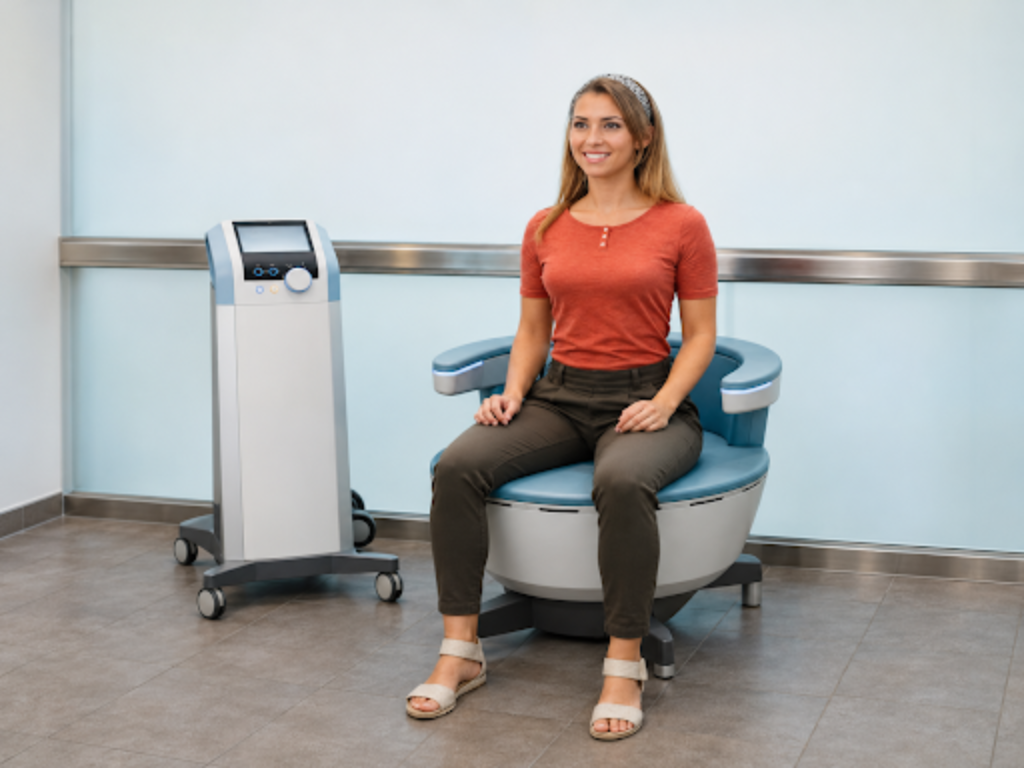
If bladder leaks or pelvic floor weakness are affecting your daily activities, you may be asking, What is Emsella chair treatment, and could it help? At MedUltima Aesthetics, this non-invasive therapy stimulates your pelvic floor muscles without surgery or requiring you to remove your clothing. Understanding how the treatment works, its potential benefits, and its limitations can help you make an informed decision about whether it aligns with your needs.
What Is Emsella Chair Treatment?
Emsella chair treatment is a non-invasive procedure designed to stimulate and strengthen the pelvic floor muscles using high-intensity focused electromagnetic (HIFEM) technology. It is primarily used to help manage certain symptoms of urinary incontinence.
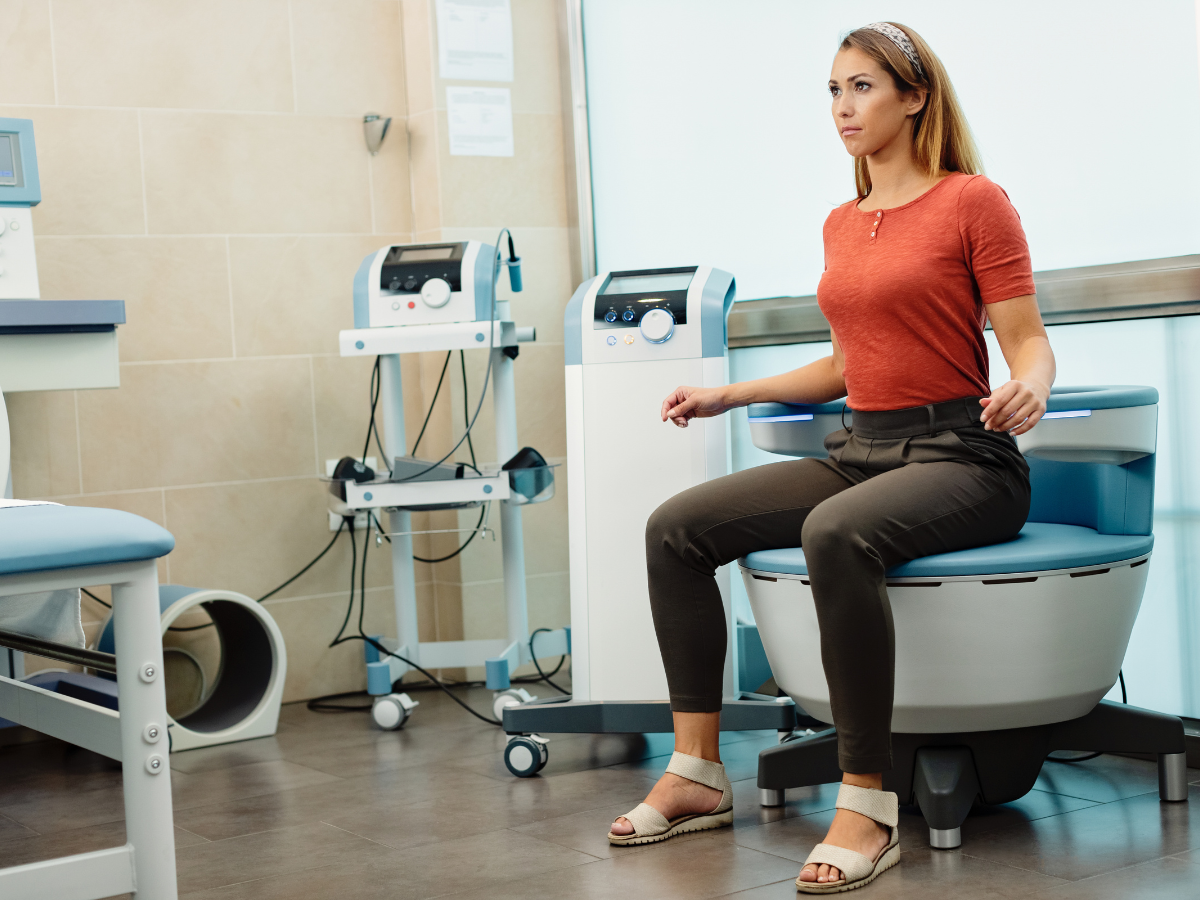
During treatment, you sit fully clothed on a specially designed chair that delivers electromagnetic energy to the pelvic region. This energy causes repeated involuntary muscle contractions without requiring you to perform exercises manually.
Unlike surgical procedures, Emsella does not involve incisions or injections. It offers a device-based approach to pelvic floor rehabilitation, although results depend on your condition and individual response.
You can learn more about the treatment by exploring available women’s wellness services and consulting a qualified healthcare provider.
How Does Emsella Chair Treatment Work?
Your pelvic floor consists of muscles and connective tissues that support the bladder, bowel, and other pelvic organs. These muscles also help control urination and contribute to normal pelvic function.
When these muscles become weak or poorly coordinated, you may experience urinary leakage during everyday activities.
Emsella uses electromagnetic energy to stimulate the nerves responsible for pelvic floor muscle contractions. These repeated contractions activate muscles involved in bladder control.
Understanding HIFEM Technology
High-intensity focused electromagnetic technology produces a changing magnetic field that stimulates pelvic floor muscle activity. The resulting contractions occur automatically while you remain seated.
The device is designed to produce many muscle contractions during a relatively short session. However, the number of contractions should not be interpreted as proof that treatment provides the same benefits as an equivalent number of Kegel exercises.
Over the course of treatment, repeated stimulation may help improve pelvic muscle function and certain urinary symptoms. A healthcare professional can determine whether this approach is appropriate for your specific concerns.
What Are the Benefits of Emsella Chair Treatment?
The primary purpose of Emsella is to support pelvic floor muscle function, particularly when urinary leakage is associated with muscle weakness.
Potential benefits include the following.
Better Bladder Control
Weak pelvic floor muscles may contribute to urine leakage when you cough, sneeze, laugh, or exercise.
Emsella may help reduce some of these symptoms by stimulating the muscles involved in urinary control. Improvement varies, and not every type of incontinence responds equally.
Non-Invasive Treatment
Emsella does not require surgical incisions or injections. You remain fully clothed throughout the procedure, making it an option for patients who prefer treatment without an invasive procedure.
Most people can return to ordinary activities afterward, provided their healthcare professional has not advised otherwise.
Support for Pelvic Floor Function
Childbirth, aging, and hormonal changes may affect pelvic floor strength and coordination.
Electromagnetic stimulation may provide additional muscle activation as part of a broader pelvic health plan. Some patients may also benefit from supervised exercises and lifestyle adjustments.
Convenient Appointments
A typical Emsella session lasts approximately 30 minutes. Because the treatment does not usually require recovery time, appointments may be easier to incorporate into your schedule. However, completing the recommended treatment course generally requires multiple visits.
Who Is a Good Candidate for Emsella Treatment?
Emsella may be worth discussing with a healthcare professional if you experience urinary leakage or have concerns about weakened pelvic floor muscles.
Common situations include:
- Stress urinary incontinence: Leakage during coughing, sneezing, exercising, or lifting.
- Mixed urinary incontinence: Symptoms involving both stress leakage and sudden urinary urgency.
- Changes after childbirth: Pelvic floor weakness that continues after appropriate postpartum recovery.
- Menopause-related concerns: Changes in urinary control associated with aging and hormonal transitions.
Not all urinary symptoms result from weak pelvic floor muscles. Infections, medications, bladder conditions, neurological disorders, and other factors can also contribute.
A medical assessment helps identify the cause before selecting treatment. For additional information about available care, visit the women’s health services page.
What Happens During an Emsella Treatment Session?
Understanding the appointment process can make your first visit more comfortable.
Before Your Appointment
Your provider should review your symptoms, medical history, current medications, and relevant health conditions.
You may be asked about implanted medical devices, previous pelvic procedures, pregnancy, or other factors that affect treatment eligibility.
Comfortable clothing is generally recommended. Metal accessories near the treatment area may need to be removed.
During the Procedure
You sit on the Emsella chair while the provider adjusts the treatment settings based on the prescribed protocol and your tolerance.
You may notice tingling, rhythmic muscle contractions, or a pulling sensation around your pelvic floor. The sensations can feel unusual, particularly during your first session.
Treatment intensity should remain tolerable. Tell your provider if you experience significant discomfort.
After the Session
Most patients can resume ordinary daily activities immediately after treatment.
You generally do not need anesthesia, dressings, or a scheduled recovery period. Your provider may recommend additional appointments and explain how progress will be assessed.
How Many Emsella Sessions Do You Need?
A commonly used Emsella treatment schedule consists of approximately six sessions, often arranged twice weekly over three weeks.
Each session usually takes about 28–30 minutes, although your provider may recommend a different schedule depending on your needs.
Some people notice changes during the initial treatment course, while others require additional time before evaluating their response.
Your healthcare professional may discuss maintenance visits when appropriate, but there is no universal schedule that guarantees lasting improvement.
How Effective Is Emsella Chair Treatment?
Research indicates that electromagnetic pelvic floor stimulation may help improve bladder control and reduce certain symptoms of urinary incontinence. Clinical findings suggest that patients undergoing Emsella treatment may experience improvements in pelvic floor function and urinary symptoms.
However, individual results can vary depending on the severity of the condition and other health factors.
While these findings are encouraging, further research is needed to better understand the treatment’s long-term effectiveness and how it compares with established pelvic floor rehabilitation methods.
What Results Can You Realistically Expect?
Your response may depend on factors such as:
- The underlying cause of your urinary symptoms.
- Your existing pelvic floor muscle function.
- The severity and duration of your condition.
- Other health conditions affecting bladder control.
- Your response to the recommended treatment program.
For example, if you notice occasional leakage when laughing, your treatment needs may differ from those of someone experiencing persistent urinary urgency.
Emsella is not a guaranteed cure for urinary incontinence, and some conditions require different medical treatments.
Is Emsella Better Than Kegel Exercises?
Emsella and Kegel exercises both aim to strengthen the pelvic floor muscles, but they use different approaches. Kegel exercises involve voluntarily contracting and relaxing the muscles, while Emsella uses electromagnetic technology to stimulate muscle contractions as you sit fully clothed during treatment.
Kegel exercises can be performed at home or with professional guidance, whereas Emsella requires clinical sessions and medical screening. Although Kegel exercises remain an established approach for managing pelvic floor weakness, Emsella may serve as an additional treatment option depending on your individual needs.
Does Emsella Chair Treatment Have Side Effects?
Emsella is generally well tolerated by appropriately screened patients, but side effects and contraindications still matter. Possible temporary effects include mild muscle soreness, tingling, or discomfort associated with repeated pelvic muscle contractions.
You should tell your provider about pregnancy, pacemakers, implanted electronic devices, metal implants, heart conditions, or other significant medical concerns before treatment.
Some of these circumstances may make treatment unsuitable. If you experience unexplained urinary bleeding, painful urination, fever, or sudden difficulty emptying your bladder, seek medical evaluation rather than assuming pelvic floor treatment will address the problem.
Frequently Asked Questions About Emsella Chair Treatment
Does Emsella Chair Treatment Hurt?
Most patients describe tingling or noticeable muscle contractions rather than significant pain. Sensations differ between individuals, and your provider should adjust treatment intensity to maintain appropriate comfort.
How Long Does It Take for Emsella to Work?
Some patients notice improvements during treatment, while others may need additional time to evaluate their results. The timeline varies depending on individual health factors and treatment response.
Can Emsella Help After Childbirth?
Emsella may be considered for certain pelvic floor symptoms after childbirth, but treatment should not begin without appropriate postpartum assessment and clearance. Your provider should first determine whether electromagnetic stimulation is suitable for your recovery stage.
Can Emsella Help With Menopause-Related Bladder Leakage?
Menopause may contribute to changes in pelvic tissues and urinary function. Emsella may help some patients when pelvic muscle weakness contributes to leakage, although symptoms should be evaluated to identify other possible causes.
How Long Do Emsella Results Last?
The duration of improvement varies. Some studies report benefits during follow-up, but longer-term evidence remains limited, and maintenance treatment may be discussed based on your response.
Is Emsella a Replacement for Pelvic Floor Physical Therapy?
Not necessarily. Pelvic floor physical therapy can address muscle coordination, relaxation, strength, and related functional concerns. Emsella does not provide all the assessment and rehabilitation techniques available through supervised physical therapy.
Learn More About Emsella Treatment in Crystal River, FL
Understanding what is Emsella chair treatment can help you decide whether this non-invasive option deserves further consideration. Although electromagnetic stimulation may benefit certain urinary symptoms, your medical history and the underlying cause of leakage should guide the decision.
If you are experiencing bladder control concerns, MedUltima Aesthetics offers Emsella treatment as part of its wellness services.
Schedule a consultation with a qualified provider in Crystal River, FL, to discuss your concerns, explore available treatment options, and determine whether this treatment is appropriate for your needs.
Ready to discuss your concerns? Call 352-794-6967 to schedule a consultation and explore treatment options that align with your needs.