
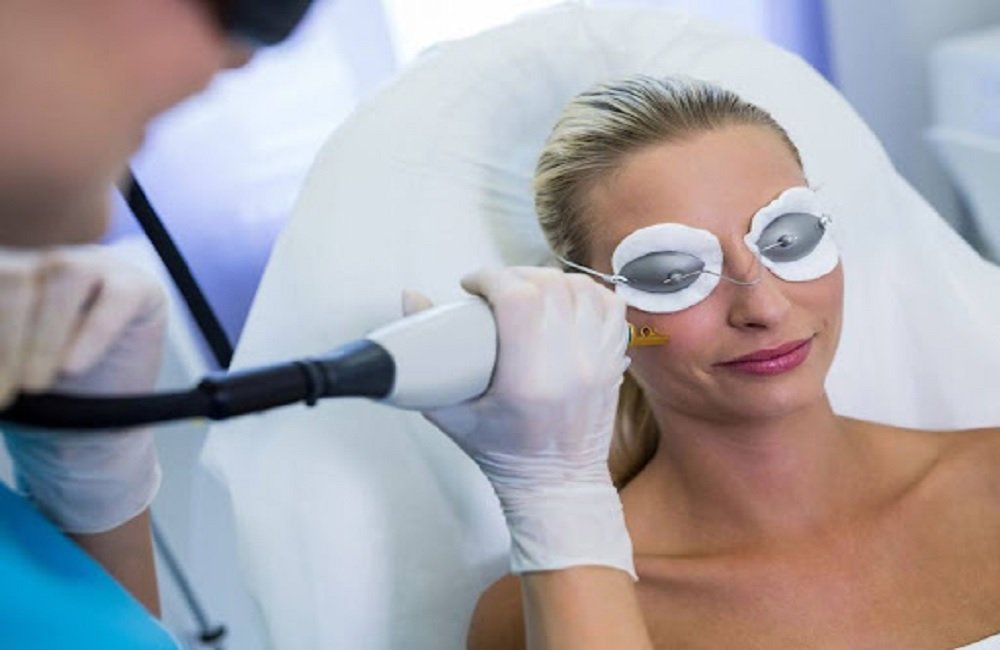
Laser skin treatments have become one of the most requested procedures in modern aesthetics. They are commonly used to address concerns such as acne, pigmentation, redness, scars, and early signs of aging. Many people choose this treatment because it offers targeted improvement for a wide range of skin conditions without the need for surgery.
This guide explains how it works, what happens during a treatment session, and what kind of results can be expected. It also helps in understanding whether this option is suitable for different skin types and personal goals. At MedUltima Aesthetics, patients receive personalized guidance to help them make more informed decisions before starting treatment.
What Is This Skin Treatment?
Light-based skin procedures use concentrated energy to target specific layers beneath the surface. This controlled energy interacts with pigment, blood vessels, and water within the skin to address concerns such as discoloration, redness, and uneven texture. It also encourages the body’s natural repair response, which supports smoother and healthier-looking skin over time.
Different settings and technologies allow these procedures to address multiple concerns, including visible blood vessels, uneven tone, and loss of firmness. A report from the American Society for Dermatologic Surgery highlighted that non-invasive aesthetic procedures remain among the top three most requested treatments in the United States, largely due to growing demand for options with minimal recovery time.
How This Treatment Works on the Skin
Targeted light energy is delivered into the deeper layers of the skin in a controlled way, allowing specific structures to absorb it without affecting the surrounding tissue. Depending on the treatment goal, the energy interacts with pigment, blood vessels, or water within the skin.
This process creates a precise heat response that signals the body to begin its natural repair cycle. Over time, this can support smoother texture, improved tone, and a more even overall appearance as the skin gradually renews itself.
Types of Skin Treatments
Understanding the different types of treatment helps set realistic expectations.
1. Ablative Lasers
- Remove outer layers of skin
- Used for deep wrinkles and scars
- Longer recovery time
2. Non-Ablative Lasers
- Heat deeper skin layers without removing surface skin
- Minimal downtime
- Common for pigmentation and redness
3. Fractional Lasers
- Treats small “fractions” of skin at a time
- Faster healing than full ablative lasers
- Good balance between results and recovery
4. Vascular Lasers
- Targets redness, rosacea, and visible vessels
- Focuses on hemoglobin in blood vessels
5. Pigmentation Lasers
- Breaks down dark spots and sun damage
- Helps even out skin tone
What Skin Conditions Can It Treat?
This treatment is commonly used to address a wide range of cosmetic skin concerns. It can help improve active breakouts and reduce the appearance of acne scars over time. It is also effective for minimizing sun damage, dark spots, redness, and visible signs of rosacea. Many people also choose it for facial rejuvenation, softening fine lines, smoothing uneven texture, and refining the look of enlarged pores.
Each plan is carefully adjusted based on individual skin type and specific concerns. The approach also considers how severe the condition is and what kind of recovery time is realistic. This allows for a more tailored experience that focuses on both safety and gradual, natural-looking improvement.
What to Expect During a Session
A typical appointment begins with a detailed skin consultation and assessment to determine the most suitable approach for your needs. The treatment area is then gently cleansed, followed by the placement of protective eyewear to ensure safety throughout the procedure.
Controlled light pulses are applied to the targeted area, which may feel like a mild snapping or warming sensation. After the procedure, a cooling or soothing step is provided to help calm the skin. Most sessions take about 20 to 60 minutes, depending on the size and number of areas being treated.
Does this treatment hurt
Most people describe the sensation as mildly uncomfortable rather than painful. It may feel like a quick snapping warmth against the skin, along with light tingling or brief bursts of heat during the procedure.
For more intensive sessions, a topical numbing option may be applied to improve comfort. This helps reduce sensitivity and makes the experience easier to tolerate, especially in more delicate treatment areas.
Downtime and Recovery
Recovery time can vary depending on the intensity and type of procedure performed. Some treatments involve very little interruption to daily activities, while others may require a longer healing period as the skin goes through natural renewal. Lighter procedures may only cause mild redness that fades quickly, while more intensive options can lead to visible peeling and sensitivity for several days.
During the healing phase, proper aftercare plays a key role in achieving the best results. Keeping the skin protected, avoiding harsh products, and following professional guidance helps reduce irritation and supports a smoother recovery process. Allowing the skin enough time to heal ensures more consistent and longer-lasting improvements.
Benefits of Skin Treatments
These procedures are widely chosen because they:
- Improve skin clarity
- Reduce pigmentation and redness
- Support collagen production
- Smooth uneven texture
- Offer long-term skin improvement with repeated sessions
Results often develop gradually over several weeks as the skin heals and regenerates.

Who Is a Good Candidate?
This option is often considered for individuals looking to improve the appearance of their skin without undergoing surgery. It is commonly chosen by people dealing with concerns such as acne scars, uneven pigmentation, redness, or early signs of skin aging.
A proper evaluation is important before starting any procedure. A professional consultation helps assess skin condition, determine suitability, and select the most appropriate approach based on individual needs and safety considerations.
FAQ Section
- What does this treatment do to the skin?
It helps address concerns like uneven pigmentation, redness, and rough texture by using controlled light energy that supports the skin’s natural repair process. - Is it suitable for all skin types?
Many modern devices can be used on a wide range of skin tones, but a professional evaluation is necessary to determine the safest and most effective approach. - How long does recovery usually take?
Healing time can vary from a couple of days up to two weeks, depending on the intensity of the procedure and the method used. - How many sessions are typically required?
Most people need a series of treatments spaced a few weeks apart to achieve noticeable and lasting improvements. - Are the results long-lasting?
Improvements can be long-term, but occasional maintenance sessions may be recommended based on individual skin condition and habits. - Can it help with acne scarring?
Yes, some advanced methods are designed to reduce the appearance of acne scars by encouraging collagen production and improving skin texture over time.
Conclusion
Laser skin treatments offer a reliable way to address common skin concerns such as acne scars, pigmentation, and redness. Choosing the right treatment depends on skin type, condition severity, and recovery preference.
MedUltima Aesthetics provides customized treatment plans designed to match individual skin needs and goals, ensuring each client receives care tailored to specific skin concerns and desired outcomes.