If you’ve noticed your skin losing firmness or your facial contours becoming less defined, XERF radiofrequency facial treatment may be worth understanding. At MedUltima Aesthetics, this non-invasive approach uses controlled radiofrequency energy to address skin laxity without needles or surgical incisions.
Here’s how the technology works, what results may look like, and what to consider before choosing treatment.
How Does This Skin Tightening Technology Work?
XERF is a non-invasive aesthetic technology that uses monopolar radiofrequency (RF) energy to heat tissue beneath the skin’s surface. This controlled heating produces tissue coagulation and may encourage collagen remodeling, which can contribute to a firmer appearance.
Collagen is a structural protein that helps maintain your skin’s strength and elasticity. As you age, changes in collagen and supporting tissues can contribute to sagging, wrinkles, and less defined facial contours.
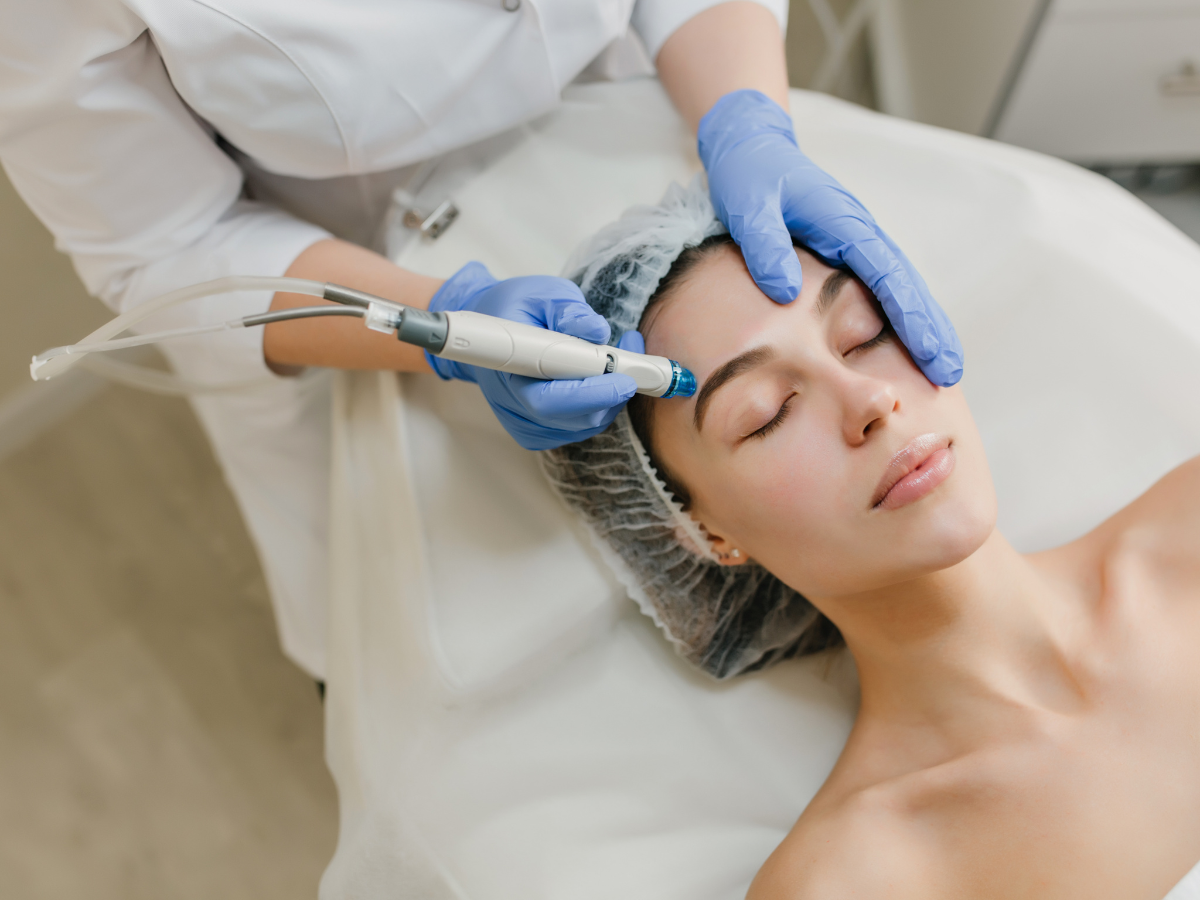
Unlike treatments that rely on needles to deliver energy beneath the skin, XERF delivers RF energy through a handpiece placed against the skin. The system combines two frequencies to reach different tissue depths.
The goal is to address skin laxity while preserving the outer skin surface, although your response depends on your skin condition, treatment settings, and individual healing process.
What Makes the XERF Radiofrequency Treatment Device Different?
The XERF radiofrequency treatment device uses two frequencies, 6.78 MHz and 2 MHz, delivered sequentially during a treatment pulse.
It also incorporates technologies designed to control energy delivery and support patient comfort:
- Multifrequency RF technology: Delivers energy at different tissue depths.
- Wave Fit™ pulse technology: Adjusts pulse characteristics according to selected treatment settings.
- Integrated Cryogen Delivery: Provides surface cooling during energy delivery.
- Adjustable treatment settings: Allow qualified providers to select parameters based on the treatment area and individual assessment.
These features distinguish XERF from certain conventional RF systems. However, having two frequencies does not automatically establish better clinical results than other devices.
What Are the Potential Benefits of XERF Facial Treatment?
If you want to address early signs of skin laxity without surgery, XERF may offer several potential benefits.
Improved Skin Firmness
Controlled radiofrequency heating can affect collagen-rich tissues beneath your skin. This process may produce a tightening effect and support gradual changes in firmness as collagen remodeling occurs.
The degree of improvement varies, and treatment does not reproduce the results of a surgical facelift.
More Defined Facial Contours
Loss of skin elasticity can make your jawline or lower face appear less defined. RF treatments may help improve the appearance of mild laxity, particularly when your concerns involve skin firmness rather than significant excess tissue.
For example, if you notice early changes around your lower cheeks, a practitioner may assess whether an RF procedure is appropriate for your goals.
Needle-Free Treatment Experience
One of the benefits of XERF is that it delivers radiofrequency energy without inserting needles into your skin.
The manufacturer also describes treatment without routine numbing. However, comfort levels vary, and some people experience noticeable heat or discomfort during treatment.
Limited Recovery Time
Because XERF does not rely on surgical incisions or needle penetration, extensive recovery is generally not expected.
You may still experience temporary redness, warmth, swelling, or sensitivity. Your provider should explain possible reactions before treatment and give you specific aftercare instructions.
Which Areas of Your Face Can XERF Treat?
XERF has been studied for facial skin laxity and changes in overall skin quality. Treatment planning depends on your anatomy, the available applicators, and the practitioner’s assessment.
Areas that may be considered include:
- Cheeks: Addressing concerns about skin firmness.
- Jawline: Improving the appearance of mild lower-face laxity.
- Lower face: Supporting a smoother-looking facial contour.
- Selected areas around the eyes: Using appropriate applicators and specialized protocols where suitable.
Not every facial area is appropriate for every patient. The delicate tissue around your eyes requires particular care, and treatment should only be performed by appropriately trained professionals.
If your main concern involves significant sagging, deep folds, or substantial volume loss, another aesthetic procedure may be more suitable.
What Happens During a XERF Treatment Session?
Knowing what happens during treatment can help you decide whether the procedure fits your expectations.
Before Your Appointment
Your provider should begin by examining your skin and discussing your medical history. This assessment helps identify concerns, possible contraindications, and whether treatment is suitable.
You should disclose implanted medical devices, previous facial procedures, medications, and any current skin irritation or infection.
During the Procedure
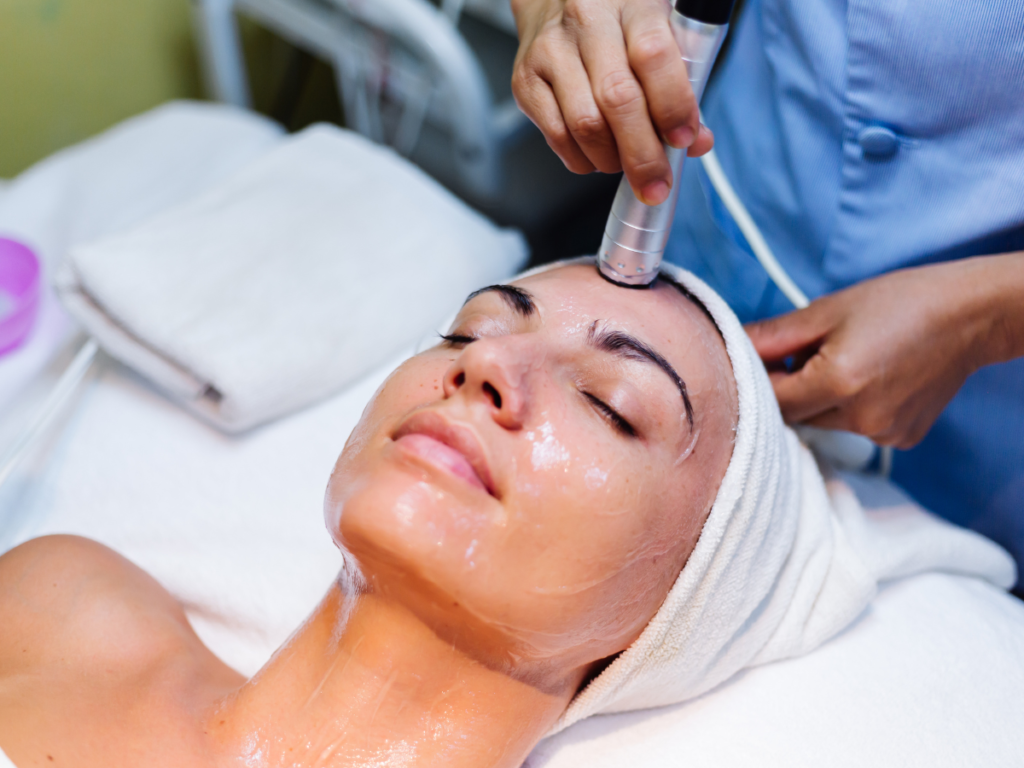
Before treatment begins, your provider prepares your skin and places the handpiece against the areas being treated.
As radiofrequency energy passes into the tissue, you may feel repeated pulses of warmth. The device’s cooling system helps manage surface temperature during treatment.
Your provider adjusts the settings and monitors your response throughout the session. Treatment duration depends on the areas being addressed and the chosen protocol.
After Your Session
You may notice warmth, mild redness, or temporary swelling following treatment. Some people can resume normal activities shortly afterward, although individual recovery experiences differ.
Your provider may recommend gentle skincare, appropriate moisturization, and sun protection. Avoid introducing strong exfoliating products or additional skin procedures until your practitioner confirms they are appropriate.
How Long Does It Take to See XERF Results?
Some patients may notice a feeling of tighter skin shortly after XERF treatment, while more visible improvements can develop gradually as the skin responds to radiofrequency energy.
Early clinical research suggests promising results in skin firmness and appearance, although individual outcomes may vary. Further research is needed to better understand how long these improvements last.
What Does Earlier RF Research Show?
Research on monopolar radiofrequency treatments provides valuable insights into their potential effects on skin firmness and elasticity. Findings suggest that this technology may help improve skin appearance by supporting collagen remodeling and changes in skin structure.
However, these findings relate to monopolar radiofrequency treatments in general rather than XERF specifically. Results may vary depending on your age, skin condition, treatment settings, and individual response. Further research is needed to better understand the long-term effectiveness of XERF treatments.
Is This Skin Tightening Procedure Safe?
XERF is designed for dermatologic procedures that use controlled radiofrequency energy to heat targeted tissues. While the technology has shown promising results in early clinical research, its use for cosmetic facial tightening should not be interpreted as a guarantee of safety or effectiveness for everyone.
Like other radiofrequency treatments, XERF may cause temporary redness, swelling, tenderness, or discomfort. Excessive heat exposure may also lead to burns or unwanted changes in the treated tissue.
Certain health conditions, implanted electronic devices, pregnancy, or active skin concerns may make the procedure unsuitable for some individuals.
Before considering treatment, consult a qualified healthcare professional who can assess your skin, review your medical history, and determine whether the procedure is appropriate for your needs.
XERF vs. RF Microneedling: What’s the Difference?
XERF and RF microneedling both use radiofrequency energy to improve skin appearance, but their methods differ. XERF delivers heat through a surface handpiece to address skin firmness and facial laxity without needles, while RF microneedling uses tiny needles to target concerns such as acne scars, uneven texture, and fine lines.
The best option depends on your skin condition and treatment goals. Learn more about how Potenza RF microneedling improves skin rejuvenation to understand which approach may suit your needs.
Who May Be a Good Candidate for XERF?
You may be interested in this procedure if you have mild facial laxity, prefer a needle-free approach, and want realistic improvements without surgery. However, your skin concerns alone cannot determine whether you’re a suitable candidate.
A professional assessment should consider:
- Your current skin condition and sensitivity
- The degree and location of facial laxity
- Previous aesthetic treatments
- Medical conditions and implanted devices
- Your expectations and treatment preferences
For example, two people may both notice changes around their jawlines but require different approaches because of differences in skin elasticity, facial volume, and tissue structure. This is why individualized planning matters more than choosing a treatment based solely on advertising photographs.
Why Professional Guidance Matters in Crystal River, FL
Choosing the right aesthetic treatment requires more than understanding the technology. A professional evaluation can help determine whether a procedure aligns with your skin concerns, treatment goals, and overall needs.
At MedUltima Aesthetics, patient-centered care is provided under the direction of Dr. Navarro, whose professional background includes family medicine and aesthetic procedures. The practice offers facial rejuvenation options, including XERF radiofrequency skin tightening and Potenza RF microneedling.
If you’re considering XERF for skin laxity, fine lines, or facial contour concerns, a consultation can help you understand the potential benefits, limitations, and available treatment options.
Explore the available aesthetic services to learn more about personalized treatment options and approaches to achieving your skincare goals.
Frequently Asked Questions
1. Is This Skin Tightening Procedure Painful?
You may experience warmth or discomfort as energy enters the treated tissue. The device includes cooling technology intended to improve comfort, but individual experiences vary.
2. How many XERF treatments will you need?
There is no universal treatment schedule. Some published studies evaluated one session, while others assessed two. Your provider should recommend a plan based on your needs and the available evidence.
3. How long do XERF results last?
The long-term durability of XERF-specific facial results has not been firmly established. Published human studies have mainly reported short-term outcomes, so avoid assuming that improvements will last for a particular number of years.
4. Is XERF suitable for different skin types?
XERF has been studied in patients with multiple skin phototypes. However, suitability depends on your medical history, skin condition, and practitioner assessment rather than skin type alone.
5. Is XERF better than a surgical facelift?
These procedures serve different purposes. XERF may provide modest improvements in skin firmness, while surgery can address more substantial tissue laxity. A qualified practitioner can explain which options match your goals.
Make an Informed Choice About Facial Rejuvenation
Understanding XERF radiofrequency facial treatment can help you make a more informed decision about non-invasive skin tightening. Although early findings are promising, realistic expectations and professional evaluation remain essential.
Whether you’re concerned about changing facial contours, fine lines, or reduced skin firmness, the right treatment begins with understanding your skin.
Contact MedUltima Aesthetics to discuss available facial rejuvenation options and schedule a personalized consultation.